Linux command examples - Page 3
Find practical command examples with flags, expected output, common mistakes, and safer ways to run everyday shell workflows.
Curated guides
Linux command guides
80 matched guides, best match first. Page 3 of 7.
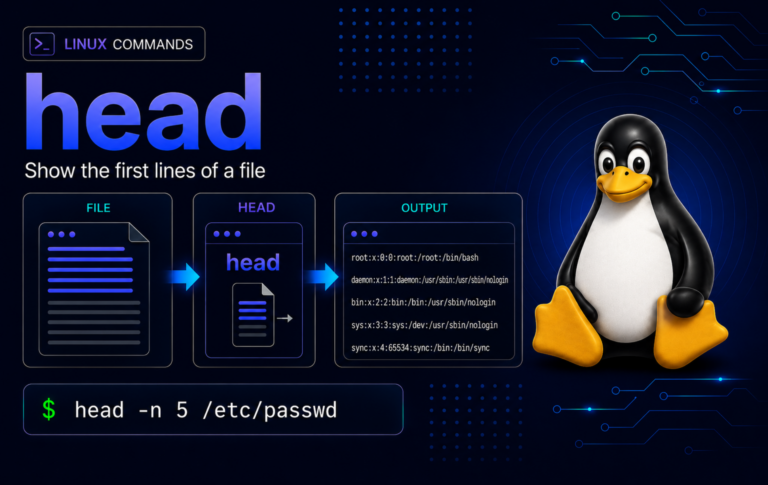
head Command in Linux: Preview Files and Pipelines
Use head to inspect the first lines or bytes of files and command output, compare Coreutils-style behavior with BusyBox limits, preview CSV and log data, and fix common...
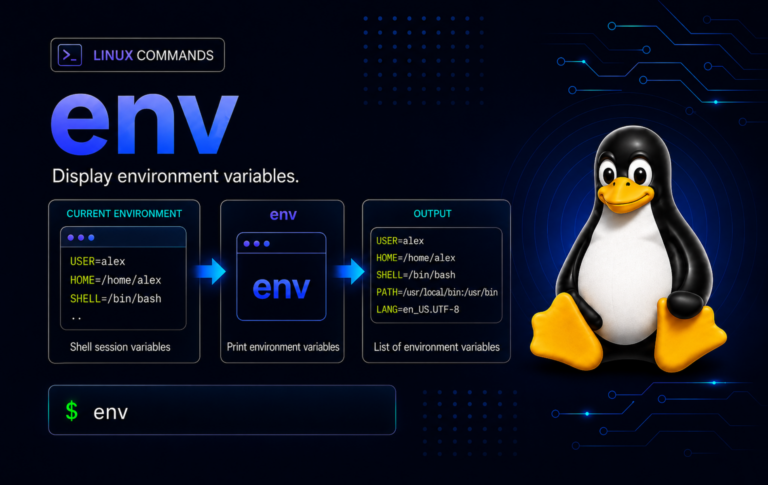
env Command in Linux: Environment Variables and Shebangs
Use env when a variable, PATH setting, or shebang works in your shell but fails in a child process; compare it with export and source, run clean command...

traceroute Command in Linux With Examples
Network latency is easier to troubleshoot when you can see where packets stop answering instead of only knowing that a site feels slow. The traceroute command in Linux...
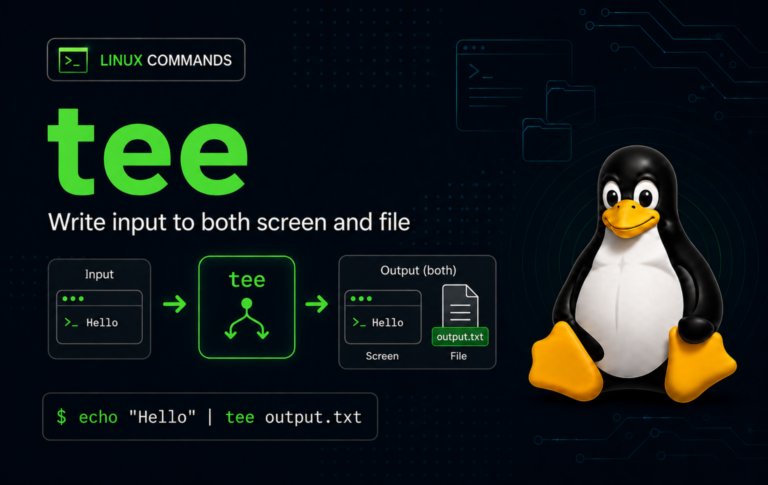
tee Command in Linux: Save Output to File and Screen
Pipeline output is easy to lose when you redirect it too early. The tee command in Linux keeps a copy visible on the terminal while saving the same...
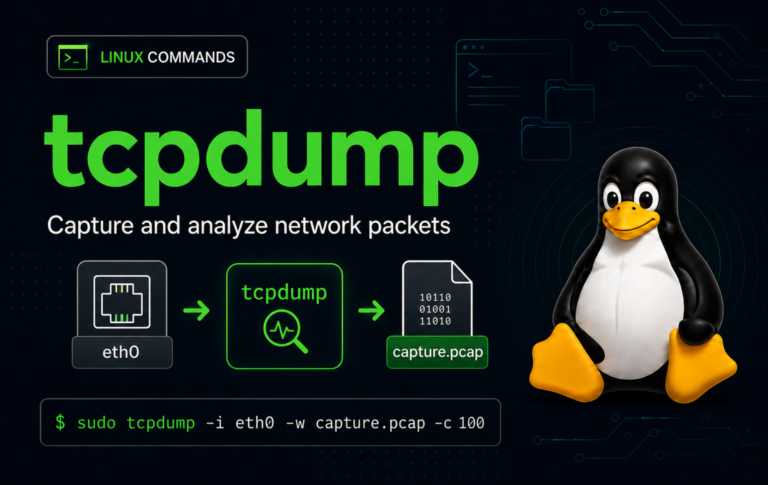
tcpdump Command in Linux: Capture and Filter Packets
Packet captures answer questions that logs and port scans cannot: did the packet leave, did a reply come back, which interface saw it, and what did the protocol...
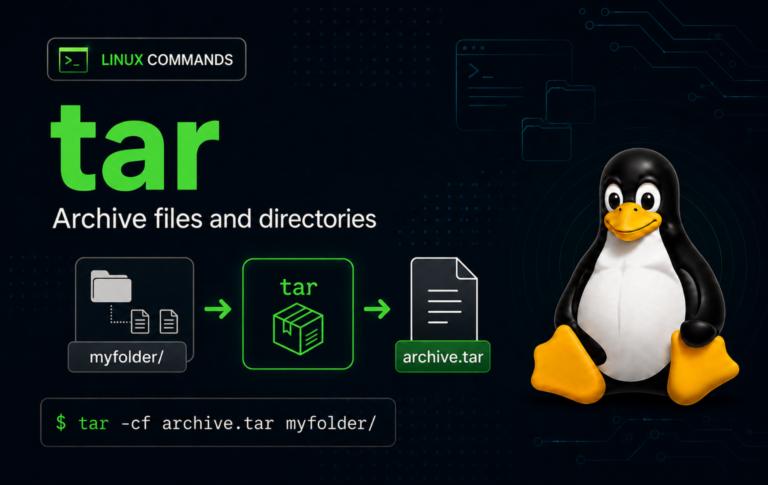
tar Command in Linux with Examples
Archive mistakes are noisy at best and destructive at worst: one tar command can list a bundle, create a backup, or overwrite files into the current directory. The...
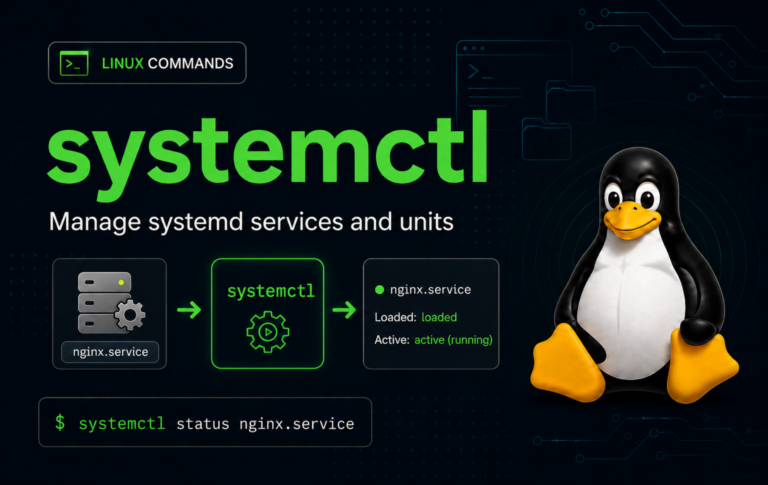
systemctl Command in Linux With Examples
Service management gets risky when runtime state, boot enablement, logs, and unit files are treated as the same thing. The systemctl command in Linux separates those layers, so...

sleep Command in Linux With Examples
Fixed delays are useful when a script needs deliberate pacing, not when it needs to know whether work has finished. The sleep command in Linux pauses the current...
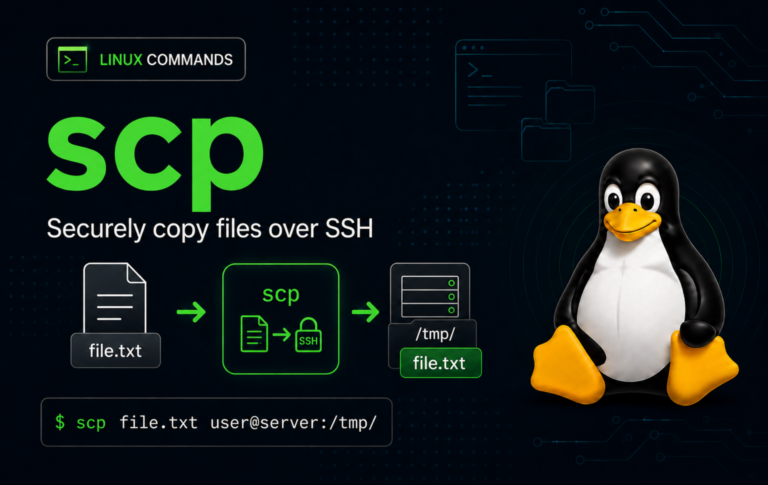
scp Command in Linux with Examples
File transfers over SSH get confusing when the login works but the source and destination sides are easy to mix up. The scp command in Linux copies files...
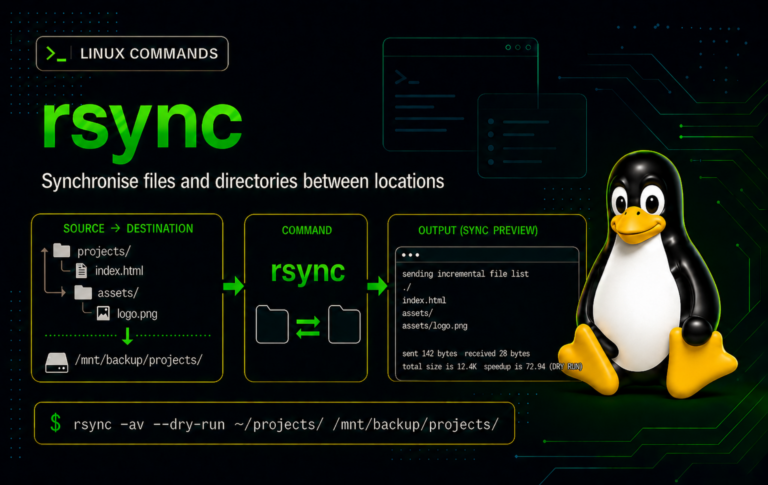
rsync Command in Linux with Examples
Repeated file copies get messy when only a few files change, a transfer is interrupted, or a destination should mirror the source exactly. The rsync command in Linux...
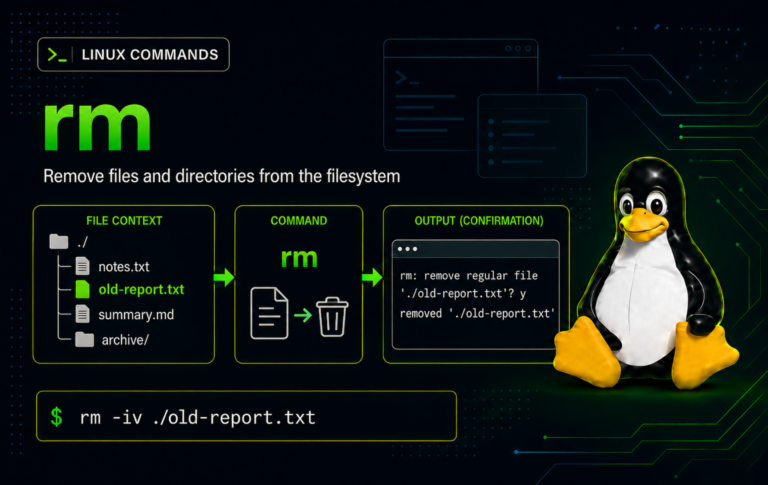
rm Command in Linux with Examples
Deleting from a terminal is fast, but it also bypasses the desktop trash workflow that protects many graphical file managers. The rm command in Linux removes directory entries...
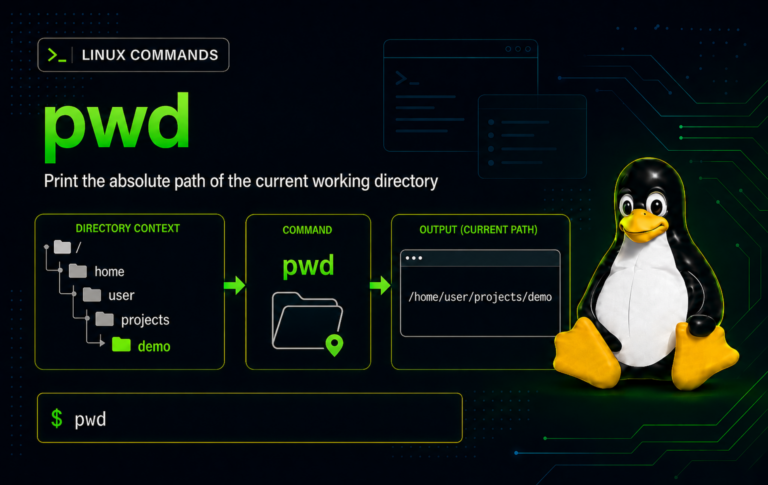
pwd Command in Linux with Examples
Directory-sensitive commands become risky when you assume the shell is somewhere it is not. The pwd command in Linux prints the current working directory, making it a useful...